
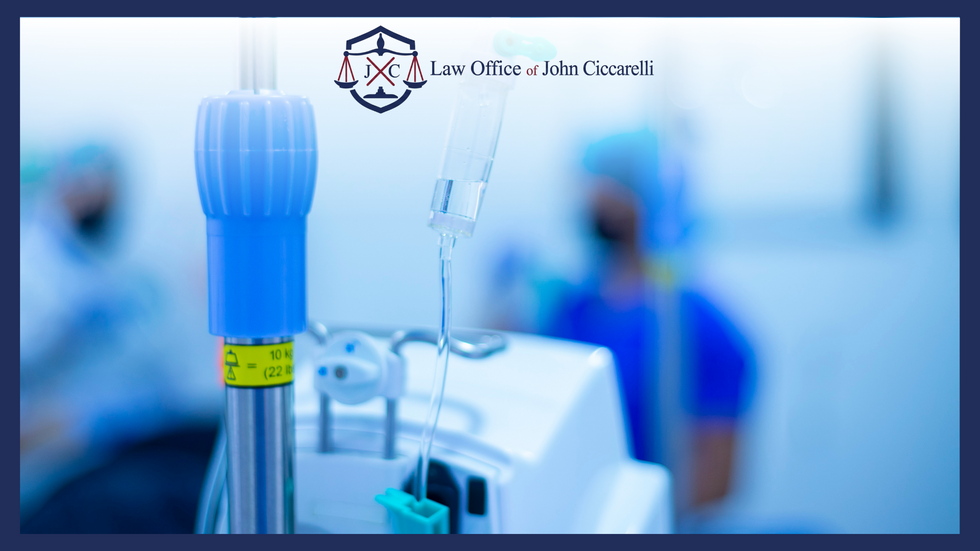
Executive Summary: Anesthesia malpractice cases often involve medication mistakes, monitoring failures, airway errors, improper positioning, delayed response to patient deterioration, inadequate preoperative assessment, or missed recovery complications. In California, liability depends on whether care fell below accepted professional standards and caused measurable harm.
Most patients never meet the anesthesiologist until minutes before surgery.
A quick introduction. A few questions. Maybe reassurance that everything will be fine. Then the patient goes unconscious and hands over complete control.
That trust is enormous.
Anesthesia is one of the most safety-sensitive areas in medicine. When done properly, it enables complex procedures to be performed with remarkable consistency. When serious mistakes happen, the consequences can be immediate and devastating.
Brain injury. Permanent nerve damage. Cardiac arrest. Paralysis. Death.
Not every anesthesia complication is malpractice. Some risks exist even when care is appropriate. But preventable anesthesia errors remain a recognized cause of catastrophic injury.
Here are seven ways anesthesia-related negligence can happen.
1. Medication Errors
Anesthesia depends on precise medication management. The wrong drug, wrong dose, wrong timing, or dangerous drug interactions can create life-threatening emergencies in minutes. Examples may include:
-
Administering too much anesthetic
-
Failing to account for patient weight or health conditions
-
Giving contraindicated medications
-
Failing to review allergy history
-
Improper reversal medication use
Because anesthesia directly affects breathing, blood pressure, and cardiac function, medication mistakes can quickly become catastrophic.
2. Failure to Monitor the Patient
Anesthetized patients cannot tell anyone they are in trouble. That's why continuous monitoring is critical. Providers are expected to watch for:
-
Oxygen saturation changes
-
Heart rhythm abnormalities
-
Blood pressure instability
-
Airway obstruction
-
Ventilation failure
-
Signs of inadequate oxygen delivery
Preventable harm has decreased significantly due to improved monitoring standards, but respiratory events and monitoring failures remain serious concerns. A patient whose oxygen levels fall without prompt intervention can suffer permanent brain injury in a matter of minutes.
3. Airway Management Errors
Securing and protecting the airway is one of anesthesia's core responsibilities. Failures here can be catastrophic. Examples include:
-
Failed intubation
-
Delayed recognition of airway obstruction
-
Aspiration of stomach contents
-
Improper ventilation
-
Dislodged airway equipment
Lack of oxygen can rapidly lead to irreversible neurological damage. Airway cases are often among the most medically serious malpractice claims.
4. Improper Patient Positioning
Many patients do not realize that anesthesia teams also play a major role in positioning during surgery. Stretching an arm too far, placing pressure on vulnerable nerves, or failing to protect pressure points can cause permanent injury.
One well-known example is brachial plexus injury, which can lead to weakness, chronic pain, or loss of arm function.
Sometimes surgical needs require repositioning during a procedure. That does not eliminate the duty to protect the patient from avoidable harm.
5. Failure to Respond to Deterioration
Operating rooms can become tense when a patient begins showing signs of distress.
Heart rate changes. Oxygen drops. Blood pressure crashes. Blood gas readings shift.
The key question is simple: Did the team act fast enough?
In some cases, disputes arise between providers about whether a procedure should continue.
A surgeon may want a few more minutes to finish. An anesthesia provider may believe the patient is becoming unstable.
Those disagreements do not excuse preventable injury. Patient safety comes first.
6. Inadequate Preoperative Assessment
Safe anesthesia begins before the first medication is given. Providers should assess factors such as:
-
Prior anesthesia complications
-
Medication history
-
Heart or lung disease
-
Airway difficulty
-
Obesity
-
Sleep apnea
-
Allergies
-
Fasting status
-
Existing illnesses and diseases
Missing critical risk factors can create predictable emergencies. A rushed evaluation can become a serious issue if known risks are overlooked.
7. Failure to Recognize Post-Anesthesia Complications
The danger does not always end when surgery ends. Patients recovering from anesthesia still require close observation. Complications may include:
-
Respiratory depression
-
Delayed awakening
-
Medication reactions
-
Airway obstruction
-
Cardiac instability
-
Neurological changes
Failure to identify trouble during recovery can be just as dangerous as mistakes in the operating room.
When Does an Anesthesia Complication Become Malpractice?
Medicine involves known risks. Anesthesia complications can occur even when appropriate care is provided. The legal issue is whether the provider fell below the accepted standard of care.
Under California medical negligence law, that generally means asking whether a reasonably careful provider would have acted differently under similar circumstances. That analysis often depends on:
-
Monitoring records
-
Medication logs
-
Operative reports
-
Recovery room documentation
-
Communication between providers
-
Timing of interventions
The outcome alone does not prove negligence. But catastrophic injury demands serious scrutiny.
Accountability in Catastrophic Injury Cases
An anesthesia error can change a life in minutes.
A routine surgery becomes a permanent disability. A family expecting recovery instead faces lifelong care decisions.
The Law Office of John K. Ciccarelli evaluates serious California medical malpractice cases involving catastrophic anesthesia injury with the detailed review these cases require. With nearly 40 years of trial experience, the focus is not merely compensation, but accountability when preventable failures cause profound harm.
Patients surrender consciousness with the expectation that someone is paying close attention. That expectation is not unreasonable.
FAQs
-
Can anesthesia mistakes cause permanent brain damage?
Yes. Oxygen deprivation, airway failures, or delayed intervention can lead to irreversible neurological injury.
-
Is every anesthesia complication malpractice?
No. Some complications are recognized medical risks. A malpractice claim depends on whether care fell below the accepted standard.
-
Who may be liable for an anesthesia error?
Potentially anesthesiologists, nurse anesthetists, hospitals, surgical teams, or others, depending on the facts.
-
Can improper surgical positioning cause permanent injury?
Yes. Nerve injuries, including brachial plexus damage and stroke, may occur if positioning is handled improperly.
-
How long do I have to file an anesthesia malpractice claim in California?
California medical malpractice claims are generally governed by Code of Civil Procedure section 340.5, though important exceptions may apply.

Comments
There are no comments for this post. Be the first and Add your Comment below.
Leave a Comment